Seattle Jazz Scene: Live Jazz Previews for Seattle

Monday Night Jam Session
Monday Nights, 7:30 PM / Seattle Jazz Fellowship- 103 S. Main St.
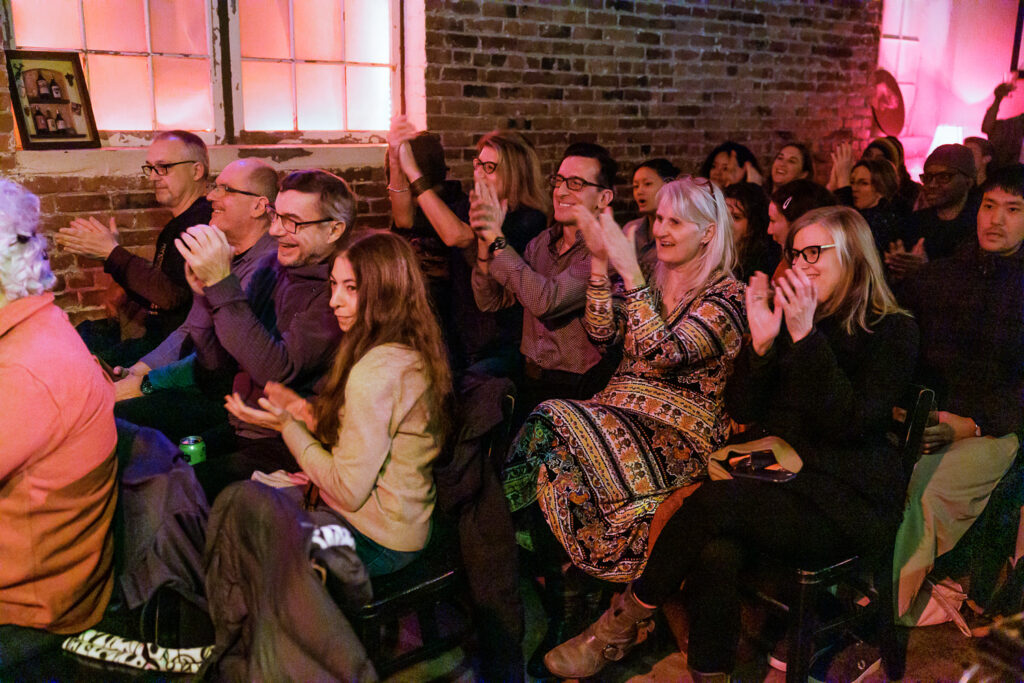
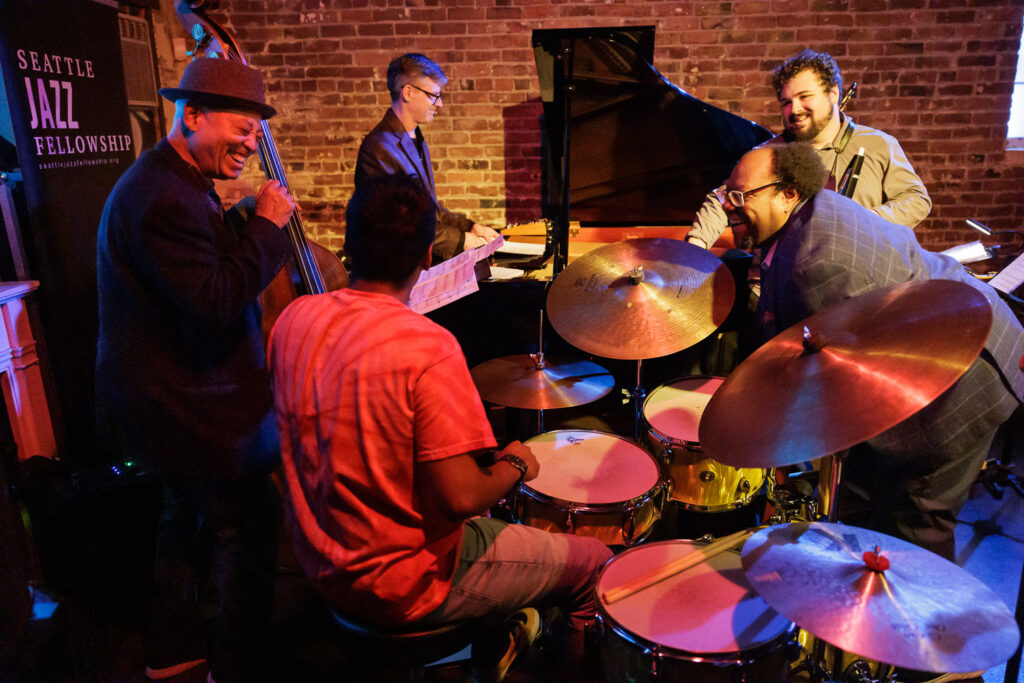
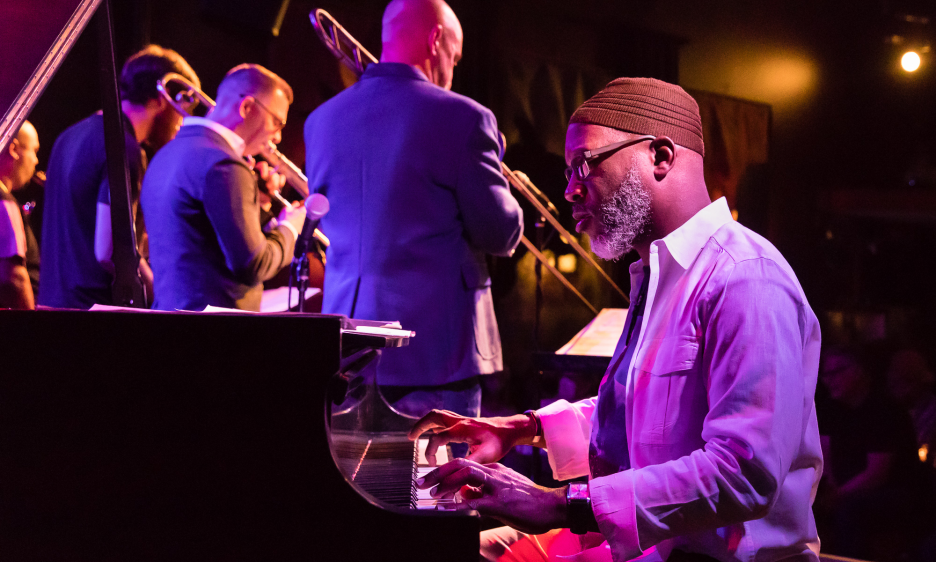
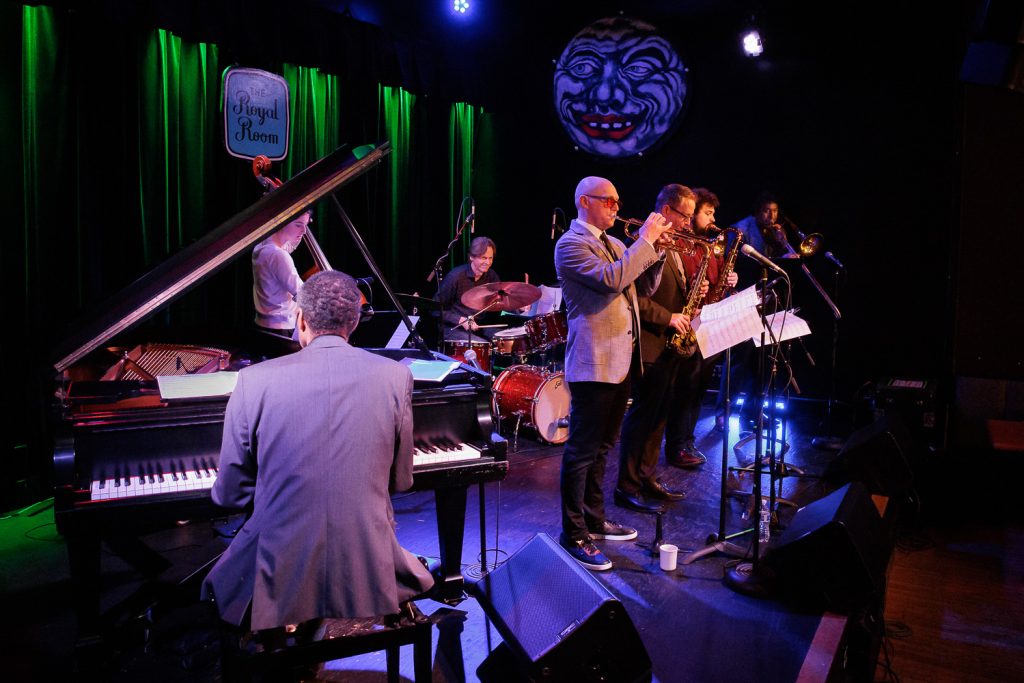
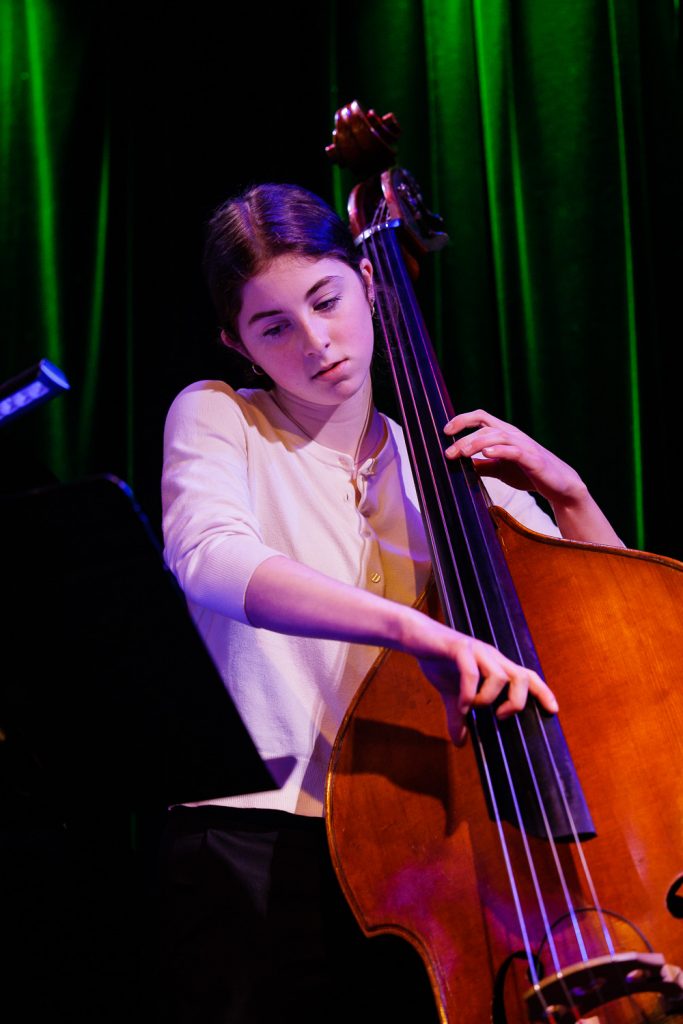
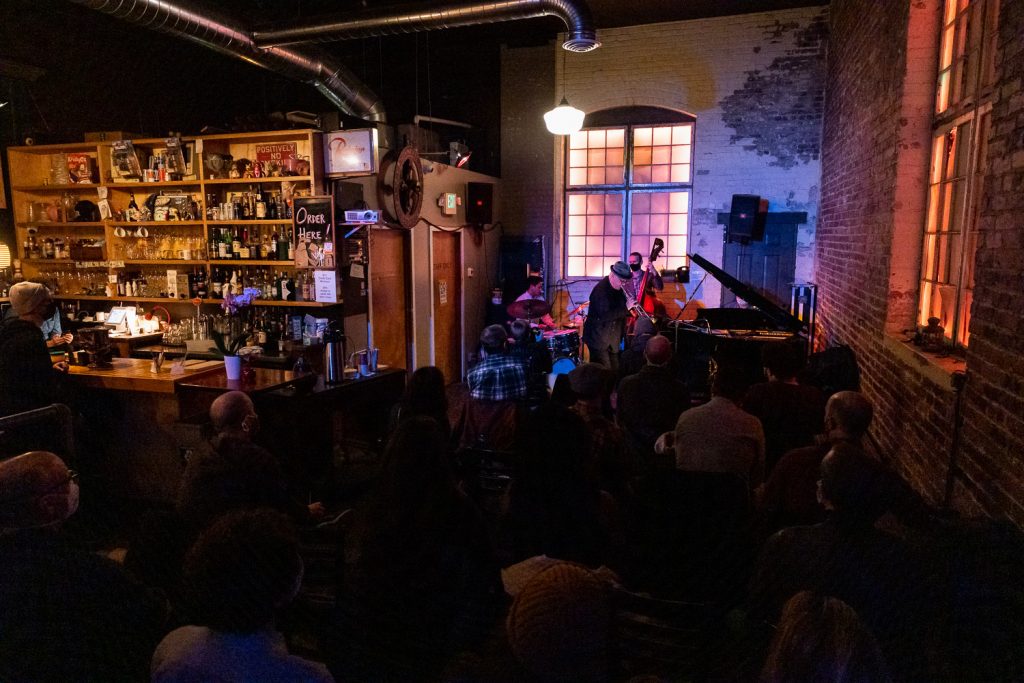
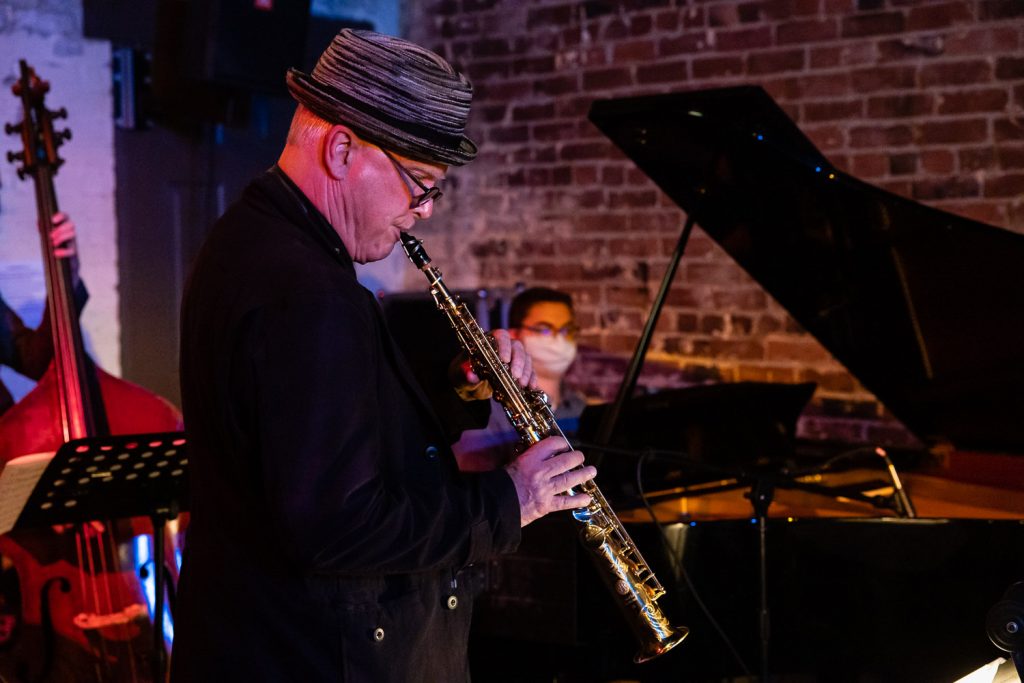
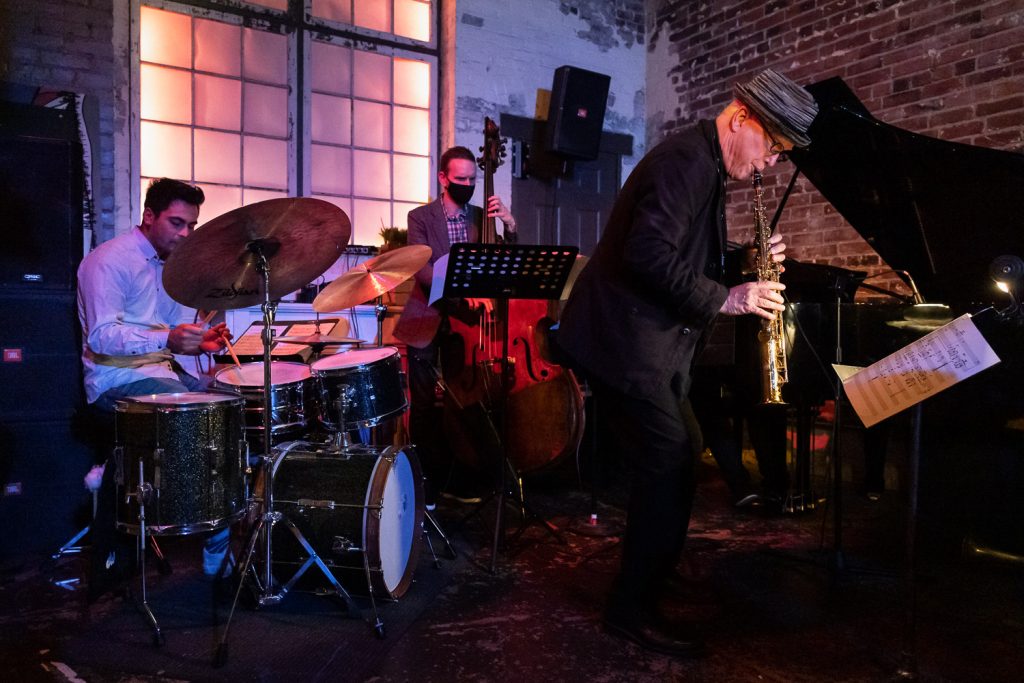
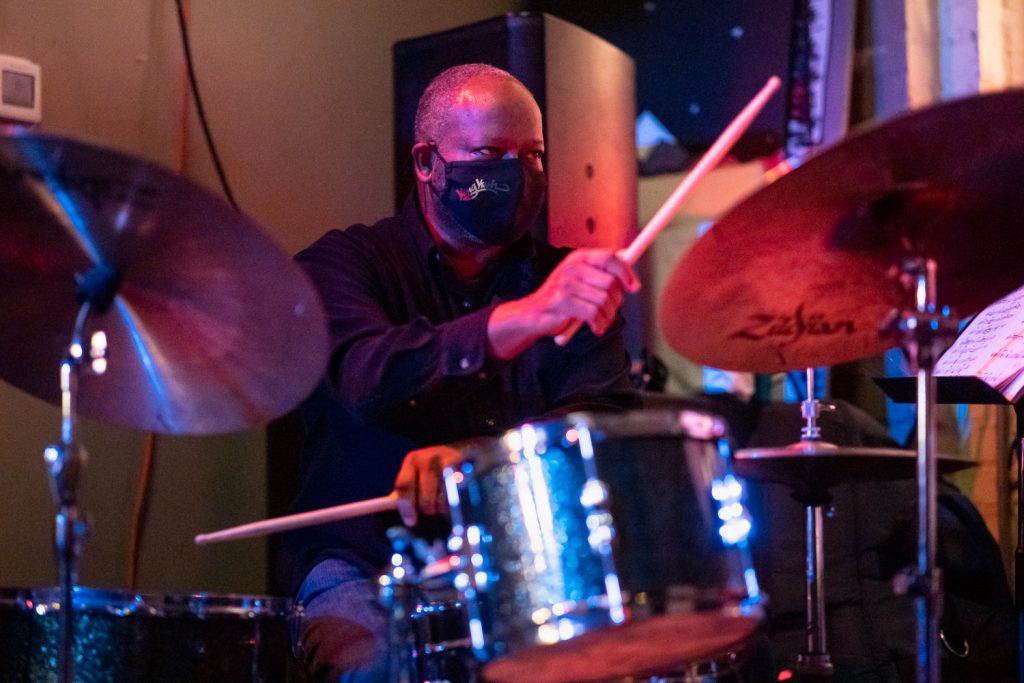
The Monday night jam in Pioneer Square has been quite the thing since the third Monday in January 2025. The session has been a gathering spot for some of the best musicians in town, from seasoned professionals to ascending high school and college players. It has also become a focal point for gen z to gather socially outside of the shadow of technology and screen life. Each week the club is full, and a line ascends up the stairs, around the corner and down First Avenue. These young people arrived via a Tic Tok video with the idea of an all ages, cover free experience with new music performed honestly, in the moment. They became a jazz audience with much more reverence for the music than most sessions. They listen, applaud solos, cheer on their favorites and deeply enjoy the idea of musicians creating on the spot jam style. We long-time patrons of the art are right there alongside them and it is a true joy. The musicians, both in house band led by Thomas Marriott, and the jammers feel the vibe as well. The early start and end allows for those who have school and work the next day. If you are looking for a ray of hope in our city, this may be your gig. Show up by 7 PM and you should have a seat. Musicians enter at will as long as they sign up to play. https://seattlejazzfellowship.org/
Tue Apr 14, 7:30 PM / Moore Theatre
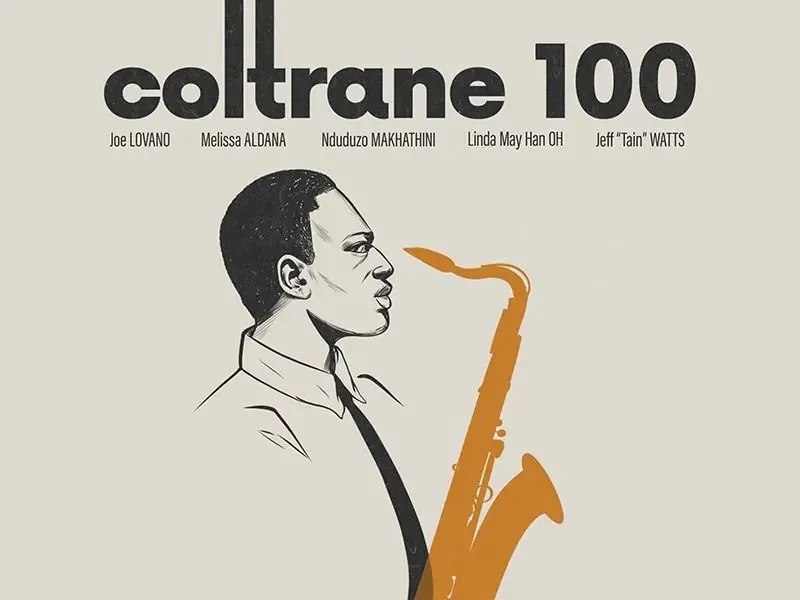
Let the celebration begin! John Coltrane was born in 1926, and so 2026 is dotted with events honoring his legacy on a global scale. In Seattle, tenorists Joe Lovano and Melissa Aldana will pay their dues on the oldest and most historic theatre stage in Seattle, at the storied Moore Theatre. Coltrane only visited the Emerald City once- performing at the Penthouse club in Pioneer Square with an extended band that resulted in a live album. The music of his wife, Alice Coltrane, was honored at the Moore by a quintet that featured their son Ravi and harpist Brandee Younger. I can remember imagining what John Coltrane’s horn would sound like in the classic theatre. This is as close as we’ll come to that imaginary scenario.
The presence of drummer Jeff “Tain” Watts makes this concert worthwhile. Bassist Linda May Han Oh is a force herself, a perfect compliment to this music. Pianist Nduduzo Makhathini played a great two set evening at the Royal Room for Earshot, the only Seattle date I can recall of his. The great Detroit bassist Rodney Whitaker, when describing a Coltrane themed performance he was leading at the 2024 Detroit Jazz Festival, stated that he needed two tenor players in the band to equate one Coltrane. Tim Warfield and Walter Blanding filled the bill that night. The same premise applies here, aptly filled by the likes of Lovano and Aldana. One not to miss. https://www.stgpresents.org/events/coltrane-100/

Tuesday Night Jam at the Owl
Tuesdays at 9:30 PM / Owl & Thistle
The Tuesday night jam at the Owl is a Seattle tradition dating back to 1997, and a band known as Bebop and Destruction. It’s interesting, and often zany history includes wild antics, colorful characters and many a drop in from national touring musicians including Wynton Marsalis, Roy Hargrove, Branford Marsalis, Emmett Cohen and the Spanish Harlem Orchestra. Pianist Eric Verlinde guided the jam into more tranquil waters over his eighteen years directing the session, a tenure that recently ended. Pianist Matt Williams has now taken the reins, injecting a new found enthusiasm and freeing up Verlinde to come and hang and play! The 9:30 start enables musicians with gigs that evening to show up and play after the opening set that lasts forty five minutes or so.
The session is very important within the musical and social fabric of the Seattle jazz scene. The very interesting and often humorous history of the session is well documented in an article I wrote for All About Jazz a few years back. Link provided below.https://www.allaboutjazz.com/tuesday-night-jams-at-the-owl-a-25-year-legacy-in-seattle
Emmet Cohen Presents: Miles and Coltrane at 100
Thu, Apr 16 -Sun, Apr 19, 2026, 7:30 & 9:30 PM / Jazz Alley
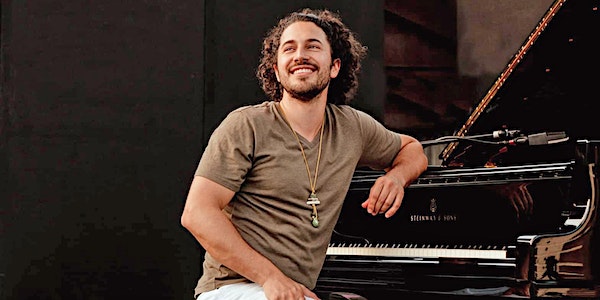
One of the prime piano voices in jazz today, Emmet Cohen takes on the Miles and Coltrane 100 celebration by storm, bringing in an all-star band to bring the music of the two jazz titans to life. Cohen is joined by drummer Joe Farnsworth, trumpeter Jeremy Pelt, saxophonist Tivon Pennicott and bassist Ruben Rogers. Cohen’s performances are always electric, and clearly bring to light his amazing prowess- but seeing him perform within the discipline of the music of Davis and Coltrane should be an exceptional treat for Seattle jazz fans. Pennicot is the X factor here- some of his playing and subsequent recordings are clearly not on the Coltrane track. Pelt is a perfect fit for the occasion, whereas Farnsworth and Rogers are known top shelf quantities that will excel in this environment. Cohen is an excellent bandleader on top of being a virtuoso of his instrument- this should be a huge plus in dealing with the sanctity of the Miles / Trane legacy. https://www.jazzalley.com/www-home/artist.jsp?shownum=8763
Brian Kirk Quintet: A Tribute to Cal Tjader
Thu Apr 16, 7:30 PM / Royal Room
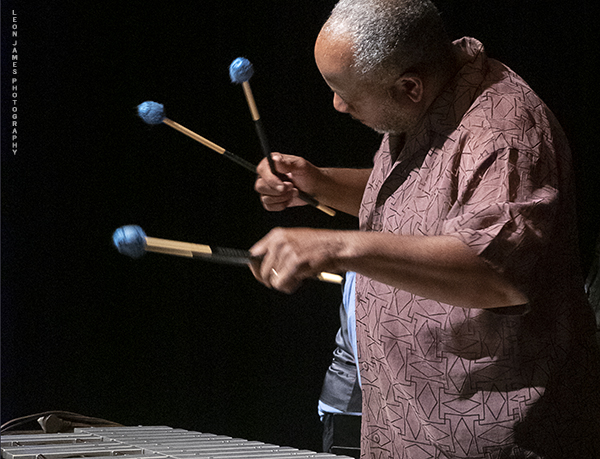
Brian Kirk has established himself as a premier percussionist in his time in Seattle, and largely behind the drum kit. But his mallet skills, honed in show bands over time, has risen to the surface as being a musical priority. For this show, Kirk leads the band from behind the vibraphone, with an all-star cast in tribute to vibraphone great, Cal Tjader. Pianist Eric Verlinde, bassist Osama Afifi and drummer Ronnie Bishop form a traditional rhythm section, with the percussionist Ernesto Pediangco adding to the mix. Verlinde, a fine jazz pianist in an overall sense, is a sensational player in the Latin vein. This is a fine collection of players headed for a fun night in Columbia City- be sure to get your tickets in advance and make a reservation separately for dinner. https://theroyalroomseattle.com/event/brian-kirk-quintet/
Matt Williams Vibes Quartet
Sat Apr 18, 7:30 PM / Seattle Jazz Fellowship- 108 S. Main St.
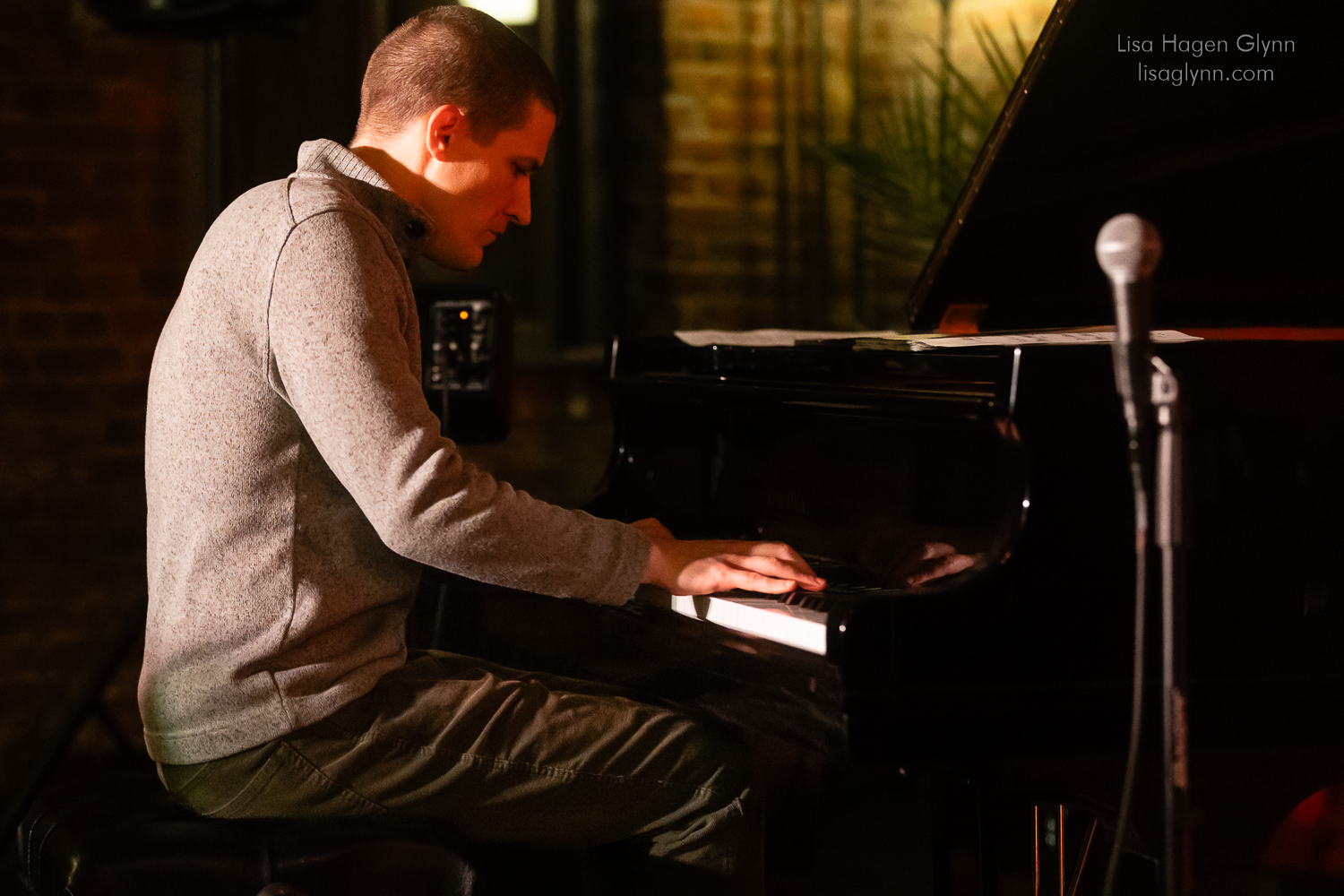
Matt Williams is an immensely talented jazz pianist, and a known quantity on the scene in Seattle as one of the city’s finest. What many area jazz fans are unaware of is the fact that he is a highly skilled vibraphonist as well. Like his piano playing, Williams has that special quality of delivering the music to the audience in such a way that expresses genuine emotion. For this evening, the mallets are the thing, aided abley by bandmates Xavier Lecouturier on drums, Dylan Hayes on piano and bassist Evan Flory-Barnes. This gig comes highly recommended, as Williams is not only a splendid musician, but a bandleader who puts his all into his performances. http://seattlejazzfellowship.org
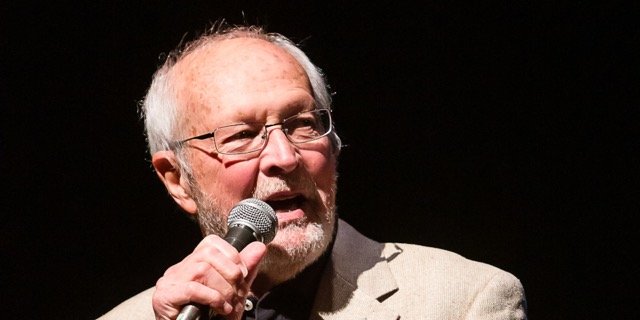
The Jim Wilke Great Big Birthday Party
Mon Apr 20, 7 PM / Jazz Alley
An evening to not only celebrate the birthday of this jazz radio icon, but to simply show Jim Wilkie love and appreciation for all he has done for the music–and he has done a lot. Jim is one a small handful of jazz radio hosts who can be described as influential beyond the norms of jazz radio. His syndicated program, Jazz After Hours, informed listeners not only of the music, but of the whereabouts of the featured artists as live performers around the country. Broadcast locally by KPLU, Wilke doubled up and created a local show featuring Northwest artists. As a young DJ with KING-FM in the 1960s, Wilke broadcast live Thursday sets from the Penthouse Jazz Club in Pioneer Square that has spawned a number of album releases in modern times. John Coltrane, Johnny Griffin, Eddie Lockjaw Davis, Ahmad Jamal. Ernestine Anderson, Cannonball Adderly and Horace Silver have all been featured.
KNKX host Abe Beeson will emcee an evening featuring some of Wilke’s Seattle favorites in John Bishop, Thomas Marriott, Marc Seales, Jeff Johnson, Milo Petersen, Jay Thomas, Steve Griggs, Phil Sparks and John Hansen. Doors open at 6pm, event starts at 7pm. https://www.jazzalley.com/www-home/artist.jsp?shownum=8785
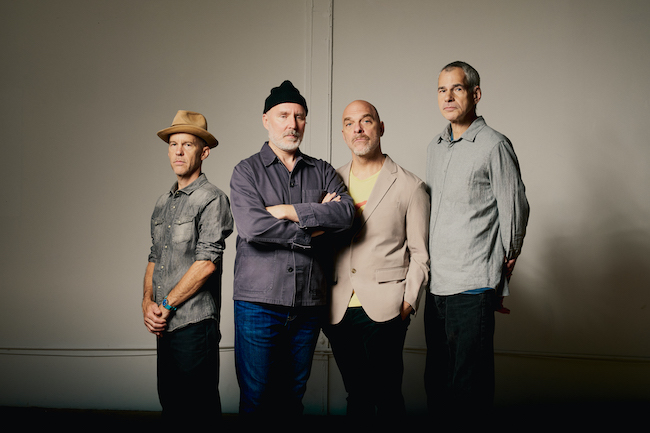
Bad Plus Farewell Tour
Tue-Wed Apr 21 & 22, 7:30 PM / Jazz Alley
The Bad Plus were for many years, a piano trio that featured Ethan Iverson on keys, bassist Reid Anderson and drummer Dave King. The band played rock and pop covers, changing slightly when Orrin Evans replaced Iverson for a short time. The band became a quartet over the past three years, with guitarist Ben Monder and saxophonist Chris Speed adding an eclectic vibe to the music. This may be the best of Anderson and King’s mad adventure. Monder brings his ominous presence to the music, and Seattle raised Speed adds his mult-reedist eclecticism. If you have not seen this iteration of the band, this tour is a last chance and a must see. https://www.jazzalley.com/www-home/artist.jsp?shownum=8768

Pat Metheny Side-Eye III+
Thu, Apr 23 – Sun, Apr 26, 2026, 7:30 & 9:30 PM / Jazz Alley
There is so much to unpack here as a jazz fan, much less a Pat Metheny fan. Seeing the guitar legend in the intimate confines of Jazz Alley is an experience every Metheny aficionado would want to have, but what of jazz fans with a more casual relationship with the artist’s music? The pricetag of $138 may seem steep, but it pales in comparison with the Live Nation approach to taking every dime they can take from you for an argueably inferior product. It is a bit of a head scratcher as to why Metheny doesn’t just play the Moore once or twice, where he could make the same dough, while not digging quite so deeply into the pockets of his fans while playing club dates. There is no doubt however, that seeing the guitarist performing with a band of this pedigree in a 400 seat room will be thrilling, a one of a kind evening. Amazing score for John Dimitriou to host the event, a testament to his talent in booking top acts- something he has done now for close to fifty years in Seattle.
Metheny is joined by ace drummer Joe Dyson, pianist Chris Fishman, bassist Jermaine Paul and percussionist / vocalist Leonard Patton. https://www.jazzalley.com/www-home/artist.jsp?shownum=8739
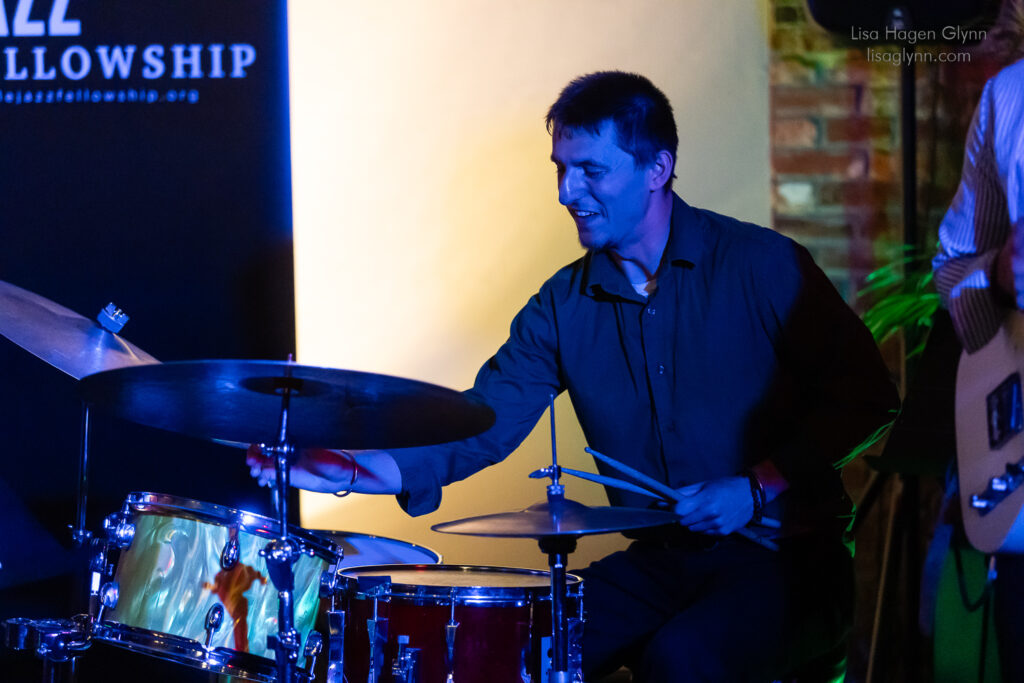
Rocky Martin Quartet
Thu Apr 23, 7:30 PM / Seattle Jazz Fellowship- 103 S. Main St.
Drummer / composerRocky Martin performs twelve new original compositions with a formidable cast in support. Bassist Jonti Siman, multi-reedist Jory Tindall and guitarist Martin Budde are there to respond to Martin’s comps, that will no doubt lean to the eclectic side of things. You have to like the space that is available here for all. Another step for Martin expanding from his Forager band. I believe this is his debut in the basement club as a leader. http://seattlejazzfellowship.org
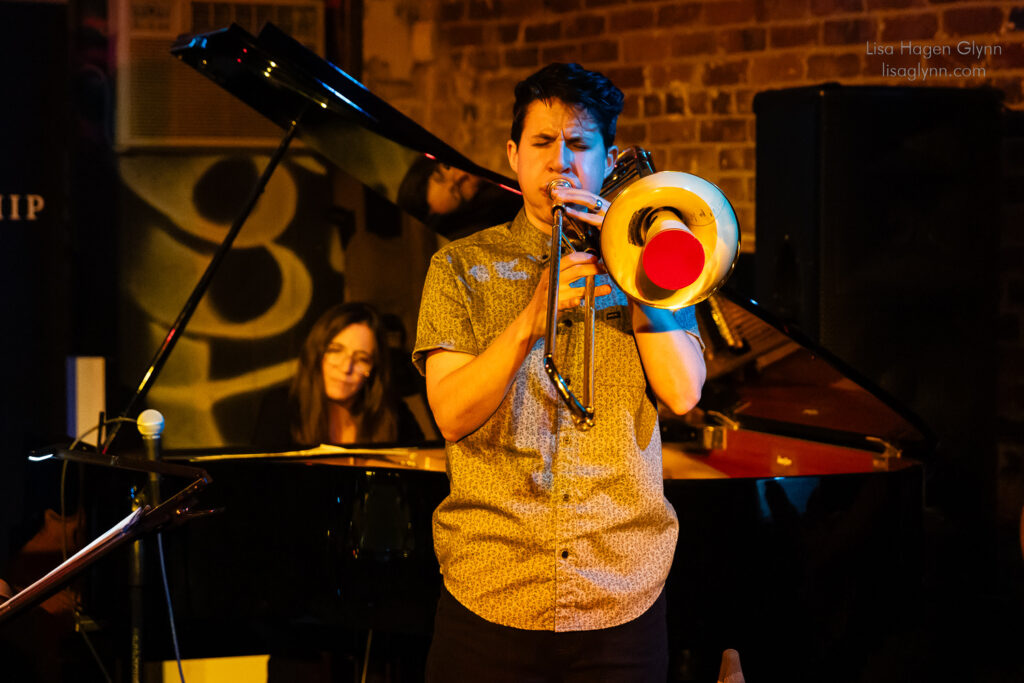
Naomi Moon Siegel New Quintet
Fri Apr 24, 7:30 PM / Seattle Jazz Fellowship- 103 S. Main St.
Trombonist / composer Naomi Moon Siegel returns to Seattle from Montana, and reunites with some of finest players in town. The rhythm section is guitar-based, featuring Andy Coe, bassist Geoff Harper and drummer Chris Icasiano– an eclectic lot that can move the music in multiple directions. Siegel is joined on the front line by trumpeter Ray Larsen, another adventurous sort, with a highly original sound. Siegel is an acclaimed composer and accomplished trombonist who always manages to introduce music that perfectly suits the players that are performing it. Her music touches the edges of jazz, while bearing the traits of classical and folk traditions. As an improviser, her connection with the blues comes clearly into view. http://seattlejazzfellowship.org
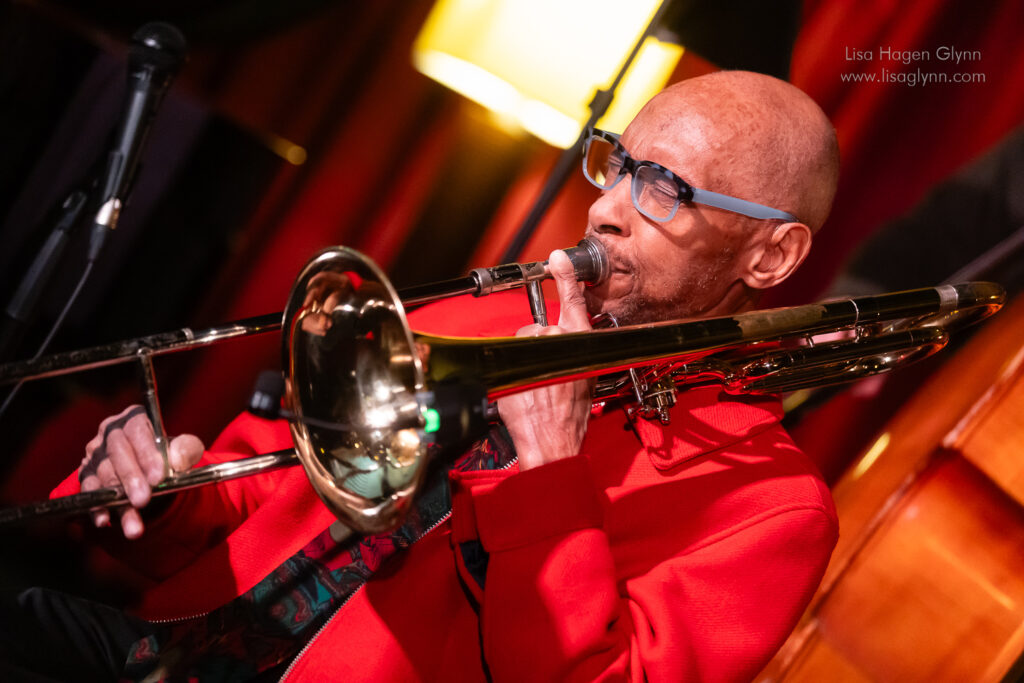
Julian Priester Quintet
Sat Apr 25, 7:30 PM / Seattle Jazz Fellowship- 103 S. Main St.
Legendary trombonist Julian Priester continues his amazing resurgence as a live performer at the club wear he bears the title of artist-in-residence. Priester has been changing lineups for his monthly appearance, on this occasion joining with a vocal artist in Seattle’s Kelley Johnson. Pianist John Hansen, drummer Byron Vannoy and bassist Geoff Harper are familiar faces to Priester as well. It will be interesting to hear Priester’s perfect pitch and sonically balanced sound interfaced with the human voice. Every month has seen a great performance and a tremendous audience response- expect the same and be sure to get there early to get a seat. http://seattlejazzfellowship.org
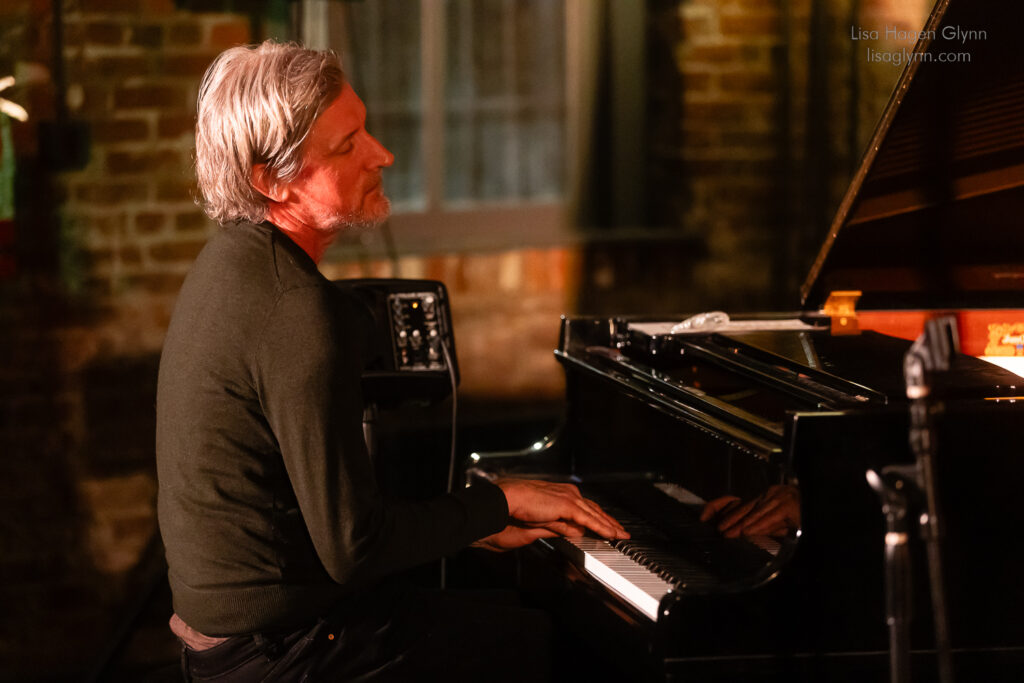
Tim Kennedy Quartet
Fri May 1, 7:30 PM / Seattle Jazz Fellowship- 108 S. Main St.
Pianist Tim Kennedy breaks out some new tunes for a quartet performance featuring some of Seattle’s best. Nobody has played the keys at SJF more than Kennedy, simply one of the finest and most versatile musicians in the city. For this evening, he is joined by two bandmates from the SJF house band in trumpeter Thomas Marriott and bassist Trevor Ford. Drummer Brad Boal is an intuitive and probing force behnd the kit. What it amounts to is four musicians with great trust in each other in such a way that only time can achieve. The beginning of a stellar month of May in Pioneer Square. http://seattlejazzfellowship.org
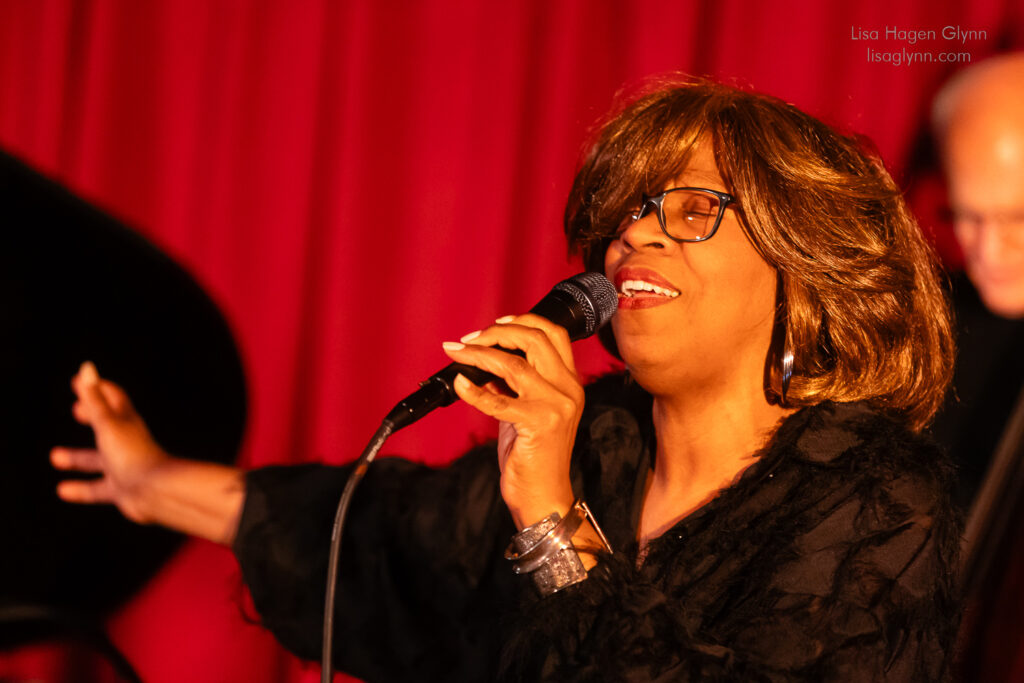
Gail Pettis
Sat May 2, 7:30 PM / Seattle Jazz Fellowship- 108 S. Main St.
Origin Records recording artist, Gail Pettis, has not been performing with the frequency one can recall pre-pandemic. That’s one reason to be sure to be in attendance at this date in Pioneer Square. Pettis is a natural stylist, able to deliver a lyric with delicate clarity and a blues tinged sense of urgency. The word on the street is that she is planning a third album. I’m still researching the personnel for the occasion, but Pettis always has a great band, and more importantly, allows them to stretch things out. The vocalist is part of the band, not the total center of attention. She leads the band, and vibes with her audience in a very personal and accessible way. Her voice seems to float on air, the notes accentuated by a delicate vibrato at the very end of each line. True jazz vocal artists are a rare commodity in the music- Pettis certainly is one of the main contributors on the scene in the Pacific NW. Band TBA http://seattlejazzfellowship.org
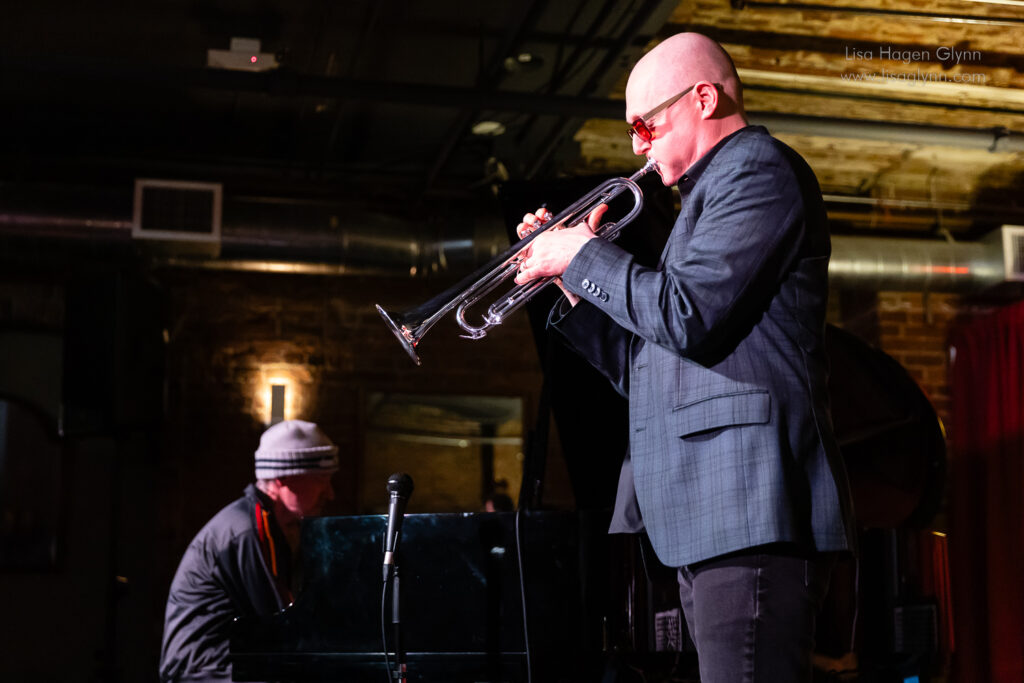
Thomas Marriott Quartet
Wed May 6, 7:30 PM / Seattle Jazz Fellowship- 108 S. Main St.
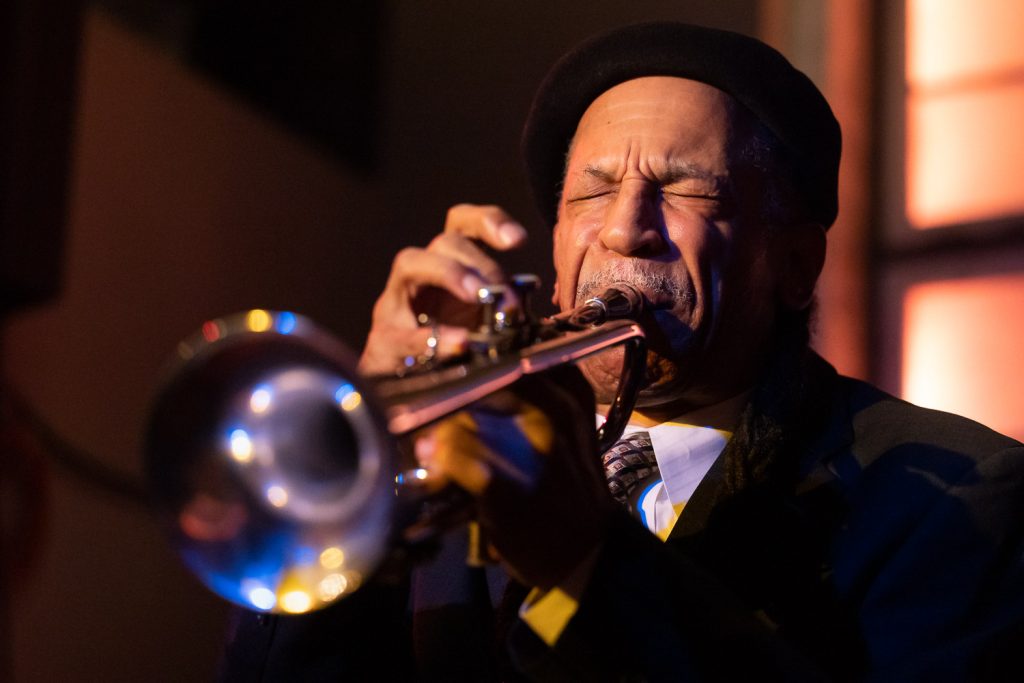
Trumpeter Thomas Marriott is certainly one of the most influential musicians in the modern history of Seattle jazz, but his musical legacy has gained international acclaim. The author of fifteen albums as a leader and the founder of the Seattle Jazz Fellowship has been a busy man as of late, including his short weekly set preceding the jam session at SJF. But aside from his Earshot Jazz Festival residency, we haven’t seen him performing complete sets with his quartet all that often, making this date one of note. Marriott is joined by longtime associates in bassist Jeff Johnson and pianist Tim Kennedy. Philly based drummer Byron Landham will visit to complete the foursome. This promises to be music that challenges the cutting edge and is swingin.’ One not to miss. http://seattlejazzfellowship.org
Marc Seales Band
Fri May 8, 7:30 PM / Seattle Jazz Fellowship- 108 S. Main St.
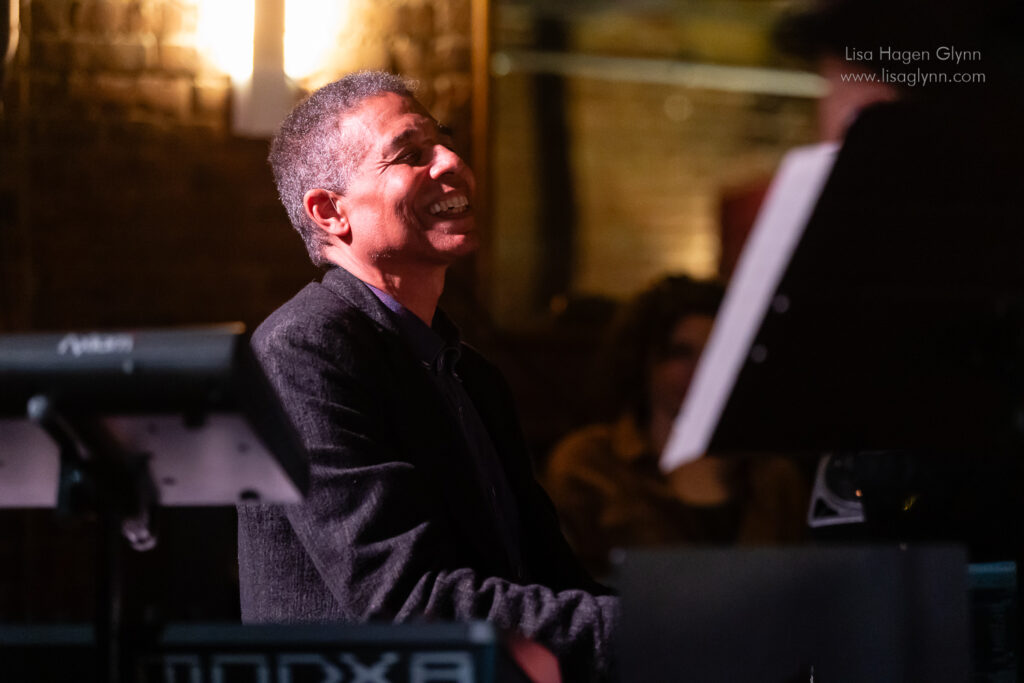
Seattle jazz icon Marc Seales seems to have found a home at the basement club in Pioneer Square. A master jazz pianist and electric keyboard adventurer, Seales’ performances are always on the spot and delivered with genuine passion. Band TBA, more to come. http://seattlejazzfellowship.org
Brushes & Bass: Greg Williamson, Heather Chriscaden, Jay Thomas, Brent Jensen & Jamie Findlay
Sat May 9, 7:30 PM / Seattle Jazz Fellowship- 108 S. Main St.
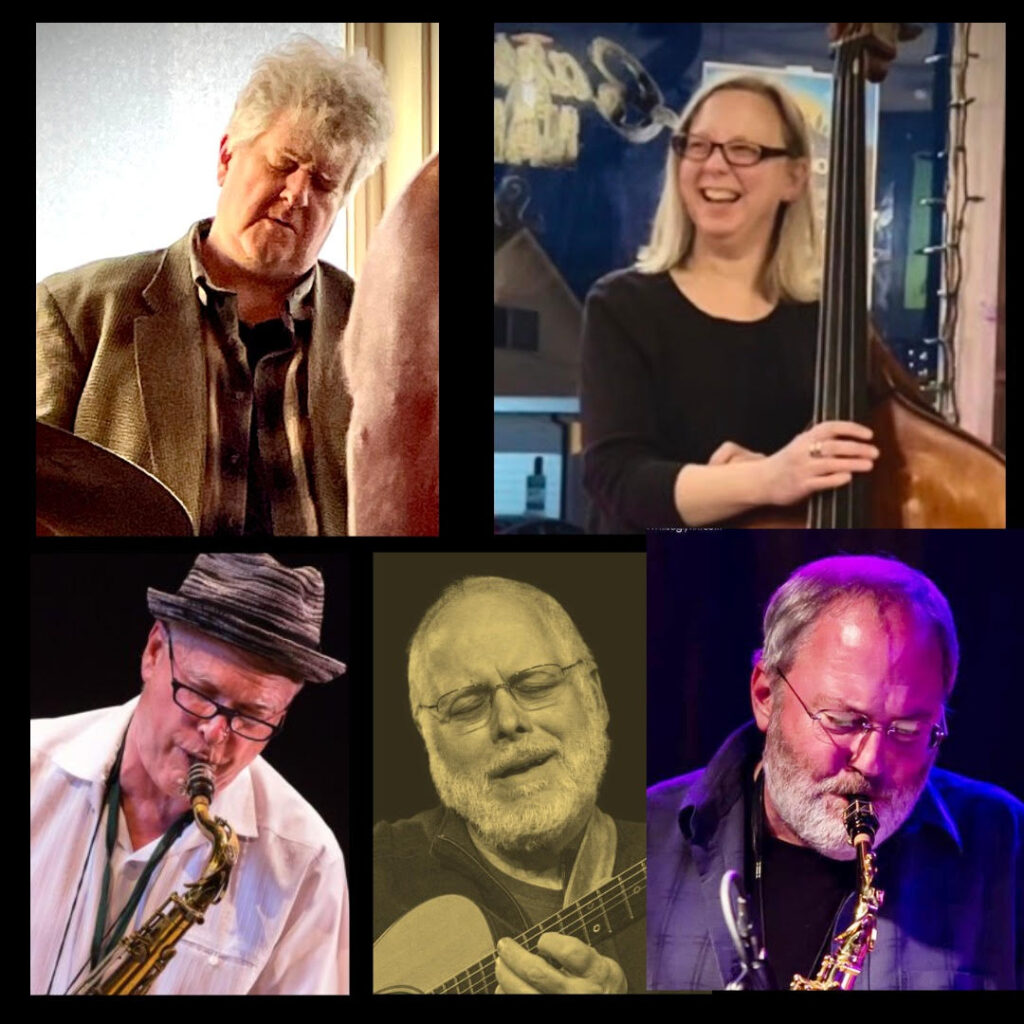
Drummer Greg Williamson and bassist Heather Chriscaden explore the lighter side of jazz texture, featuring new arrangements of music with lots of solid bass walking and brushes tipping. They bring in Seattle jazz icon Jay Thomas on trumpet and reeds, saxophonist Brent Jensen and guitarist Jamie Findlay to join in the fun, performing music from a soon to be released album, Brushes & Bass: Vol 1- In a Mellow Tone. Both Williamson and Chriscaden tend to live in the groove of swing, and in this case have adeptly summoned three musicians that thrive in that environment of sound. Expect expert playing that is spontaneous and melodically creative, presented in an energetic and professional manner. http://seattlejazzfellowship.org